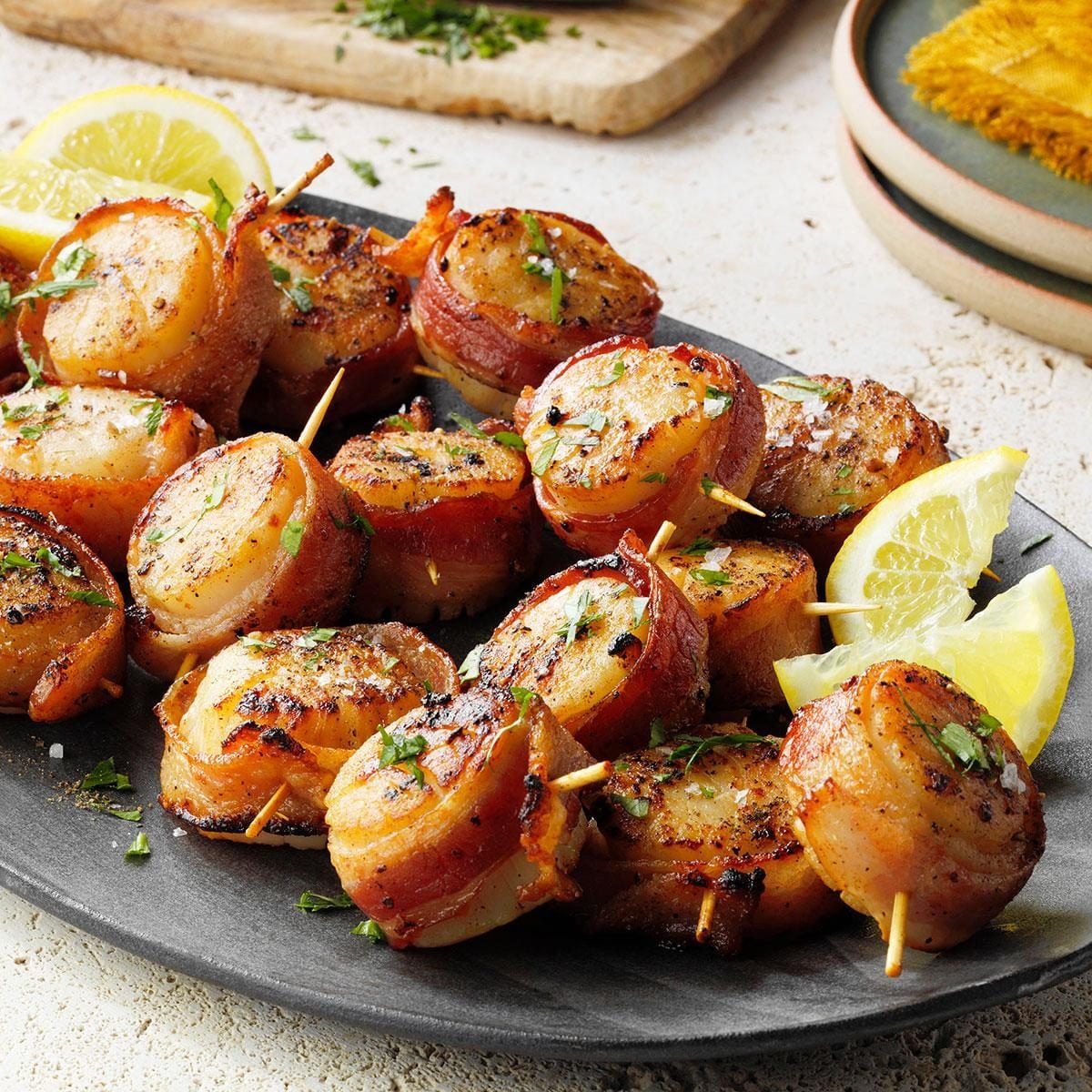
Bacon wrapped scallops are a perennial favorite, gracing appetizer menus and home dinner parties alike with their irresistible combination of savory, salty, and sweet notes. Often referred to as "devils on horseback," these bite-sized culinary gems promise a complex flavor profile alongside a satisfying textural interplay of crisp bacon and tender, juicy scallop. While the concept of simply wrapping a scallop in bacon and cooking it seems straightforward, achieving true perfection—that magical moment where both the bacon is perfectly crispy and the scallop is flawlessly cooked—requires attention to a few critical details. Two of the most important considerations that often separate a good dish from an extraordinary one are the type of scallop you choose and the thickness of your bacon.
The Culinary Dance: Why Thin Bacon is Your Best Partner
When envisioning perfect bacon wrapped scallops, the bacon component is non-negotiable: it must be crispy, golden, and bursting with flavor. The common pitfall, however, is using bacon that is simply too thick. While a thick-cut, meaty slab of bacon might seem luxurious, it presents a significant challenge in this particular preparation.
Here’s the dilemma: scallops cook incredibly quickly. If you wrap a raw, thick slice of bacon around a scallop, by the time the bacon has rendered its fat and reached peak crispiness, your delicate scallop will likely be rubbery and overcooked. Conversely, if you pull the dish from the oven or air fryer when the scallop is perfectly done, the bacon will still be flabby and undercooked. This is why the thickness of your bacon truly matters.
For an impeccable result, you want to use thin bacon, ideally a center-cut variety. Thin bacon is easier to wrap snugly around the scallop, creating a tight seal that almost shrink-wraps the delicate seafood. This ensures even cooking and contact. Furthermore, thin bacon has less fat and meat to render and crisp up, making it much more likely to finish cooking in sync with the scallop.
Even with thin bacon, there's another crucial step to guarantee perfection: pre-cooking your bacon. This might sound counter-intuitive, but it's the secret weapon for harmonizing cook times. Aim to cook the bacon about 75% of the way through—it should be pliable and rendered, but not yet super crispy. This pre-rendering process removes a significant amount of fat and moisture, allowing the bacon to crisp up quickly during the final cook without sacrificing the scallop's tender texture.
To achieve this partially cooked state, we recommend cooking the bacon in the oven. Laying the strips flat on a baking sheet allows them to cook evenly without curling, making them easier to wrap. Plus, any excess grease can be easily drained, preventing a greasy final product and potential flare-ups during broiling. You can even experiment with flavored bacon, like maple or peppered, to add an extra dimension of taste to your dish. For a deeper dive into this essential step, explore our guide on Easy Bacon Wrapped Scallops: Pre-Cook Your Bacon for Perfection.
Unpacking the Scallop Secret: The Dry-Packed Difference
Just as the right bacon is paramount, the choice of scallop is equally critical to the success of your bacon wrapped scallops. The most important distinction to look for is whether the scallops are "dry-packed" or "wet-packed." This seemingly minor detail has a monumental impact on both the texture and the appearance of your finished dish.
Dry-packed scallops are exactly what they sound like: natural scallops that have been harvested and flash-frozen (if applicable) without any added liquids or preservatives. They retain their natural moisture and flavor. When cooked, dry-packed scallops caramelize beautifully, developing a golden-brown crust thanks to the Maillard reaction, and maintain a sweet, tender interior.
In contrast, "wet-packed" scallops have been soaked in a solution of water and phosphates (often sodium tripolyphosphate). This brining process causes the scallops to absorb water, bloating them up and increasing their weight. While this might seem like a good deal in terms of quantity, it's a disaster for cooking. When wet-packed scallops hit the heat, they release all that absorbed water, essentially steaming themselves rather than searing. This not only prevents proper browning and caramelization but also causes the scallops to shrink dramatically. Imagine wrapping a plump, wet-packed scallop in perfectly pre-cooked bacon, only to have it emerge from the oven looking like a child's toy in an adult's suit—the bacon baggy and disconnected from the shrunken scallop. This excess moisture can also make your bacon soggy, undermining all your efforts for crispiness.
Therefore, always opt for dry-packed scallops. They might be slightly more expensive, but the superior texture, flavor, and visual appeal are well worth the investment. Look for larger sea scallops, often labeled U-10 (meaning under 10 scallops per pound), as they are easier to handle and less prone to overcooking. While fresh is always wonderful, frozen dry-packed scallops are perfectly acceptable, just ensure they are fully thawed in the refrigerator and thoroughly patted dry with paper towels before cooking. This extra step removes any surface moisture, which is key for achieving that beautiful sear and ensuring your bacon crisps up effectively. Also, remember to check for and remove the small, tough side muscle (adductor muscle) that might still be attached to the scallop, as it can be chewy.
Beyond the Basics: Mastering Assembly and Flavor Enhancements
Once you have your perfectly pre-cooked, thin bacon and your plump, dry-packed sea scallops, the assembly of your bacon wrapped scallops is straightforward. Pat your scallops thoroughly dry once more. Season them lightly with a pinch of fine sea salt and freshly ground black pepper. A dusting of smoked paprika can add a wonderful depth of flavor, complementing both the bacon and the natural sweetness of the scallop. Then, simply wrap each scallop with a strip of your pre-cooked bacon, securing it with a wooden toothpick if necessary. To prevent toothpicks from burning, consider soaking them in water for 30 minutes prior to use.
When it comes to cooking, whether you're using an oven, broiler, or air fryer, resist the urge to overcrowd your cooking surface. Give each bacon-wrapped scallop enough space for air to circulate, promoting even cooking and crispy bacon. Monitor them closely; scallops cook quickly, and you're aiming for opaque flesh and golden, crispy bacon. For expert guidance on achieving consistent perfection every time, be sure to read our article on Achieve Perfect Bacon Wrapped Scallops: Crispy & Tender Every Time.
To elevate your dish further, consider a simple yet elegant garnish. Freshly chopped chives or scallions add a vibrant pop of color and a subtle oniony freshness that cuts through the richness of the bacon. And for that ultimate gourmet touch, a classic lemon butter sauce is unbeatable. Combining tangy mustard with bright lemon notes and a hint of garlic creates a spectacular accompaniment that brightens the entire dish, enhancing the sweet salinity of the scallops and the smoky depth of the bacon.
Practical Tips for Bacon-Wrapped Scallop Success
- Preparation is Key: Don't skip pre-cooking the bacon. It's the most significant step toward achieving crispy bacon and tender scallops simultaneously.
- Dry is Best: Always choose dry-packed scallops and ensure they are thoroughly patted dry before seasoning and wrapping. Moisture is the enemy of crisp bacon and a good sear.
- Size Matters: Opt for larger sea scallops (U-10 or similar) for easier handling and better cooking consistency.
- Don't Overcrowd: Whether baking, broiling, or air frying, arrange scallops in a single layer with space between them for optimal air circulation and even cooking.
- Monitor Closely: Scallops cook fast. Keep an eye on them to prevent overcooking, which can lead to a rubbery texture. The bacon should be golden and crispy, and the scallops opaque.
- Flavor Variation: Don't hesitate to experiment with different bacon flavors (maple, peppered) or seasoning blends to customize your appetizer.
In conclusion, while the allure of bacon wrapped scallops is undeniable, transforming this simple concept into a culinary triumph hinges on two fundamental principles: choosing dry-packed scallops and using thin, pre-cooked bacon. By adhering to these crucial steps, you can confidently create an appetizer that delivers on its promise of perfectly cooked, succulent scallops nestled within delightfully crispy, flavorful bacon. It's a dish that effortlessly combines elegance with irresistible taste, guaranteed to impress at any gathering. So, embrace these insights, grab your ingredients, and prepare to elevate your next seafood creation to gourmet heights!
